












Choosing the right surface for your driveway, patio, or walkway is a decision that affects both your property value and long-term maintenance costs. The discussion around concrete vs pavers is one of the most common questions homeowners ask when planning a hardscaping project. Both materials are widely used, but they differ significantly in cost structure, durability, appearance, and upkeep. Understanding these differences allows you to make a smart, informed investment that fits your budget and lifestyle.
Understanding the Basics of Concrete and Pavers
Before comparing performance, it is important to understand how each material is manufactured and installed.
What Is Concrete?
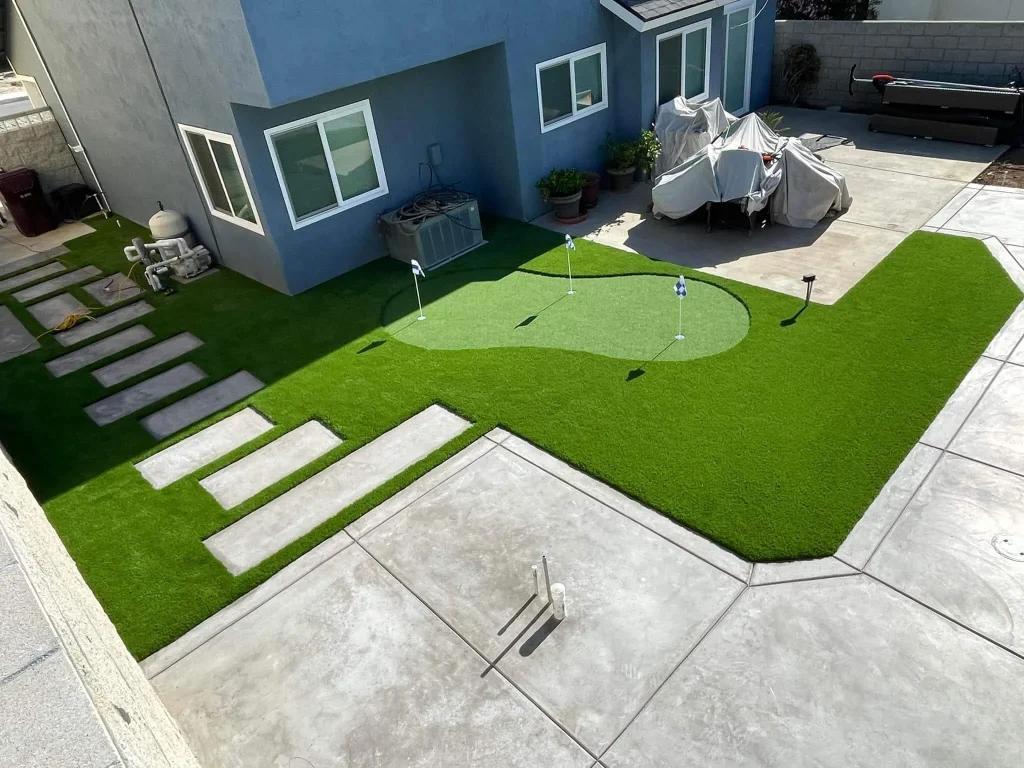
Concrete is created by mixing cement, sand, aggregate, and water, then pouring the mixture into a prepared form. Once cured, it becomes a solid slab. Concrete is commonly used for driveways, patios, sidewalks, and pool decks due to its strength and relatively quick installation process. Finishes can range from basic broom finishes to decorative options like stamping and coloring.
What Are Pavers?
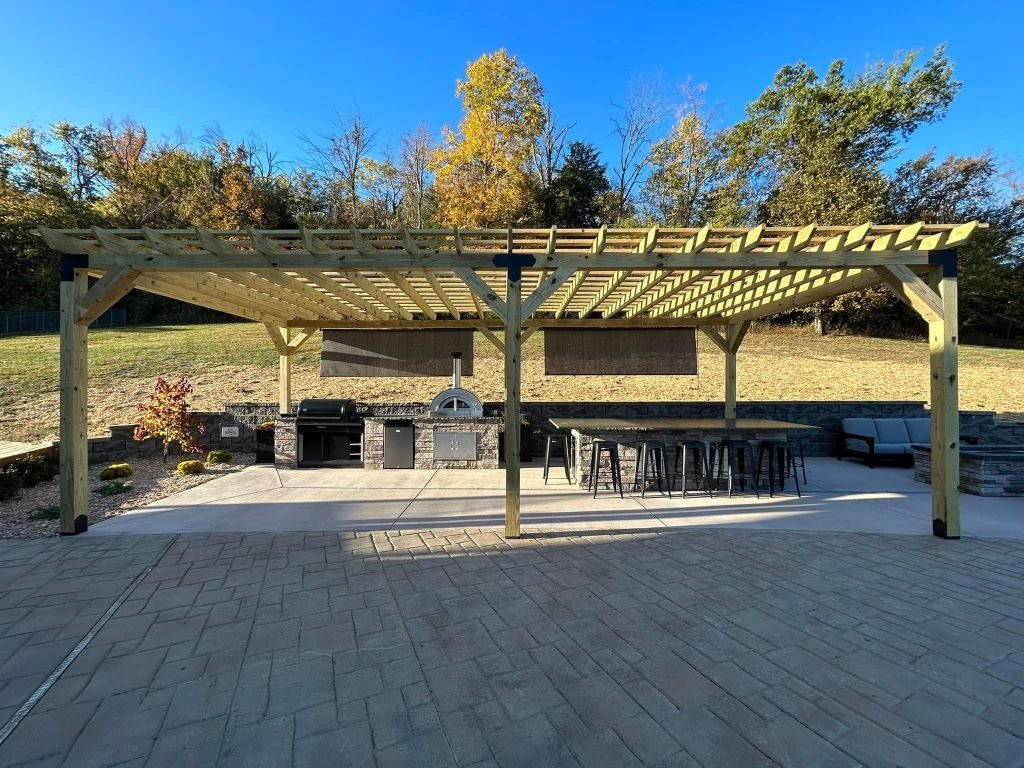
Pavers are individual units made from concrete, clay brick, or natural stone. They are installed over a compacted base with sand-filled joints between each piece. According to the Interlocking Concrete Pavement Institute, interlocking paver systems are designed to flex slightly with ground movement, which helps prevent structural failure over time.
Concrete vs Pavers: Cost Breakdown
Cost is often the deciding factor, but it should be evaluated from both short-term and long-term perspectives.
Initial Installation Costs
Concrete typically has a lower upfront price. The installation process is faster, requires less labor, and uses fewer materials compared to pavers. This makes concrete attractive for homeowners who want a clean, functional surface at a lower initial investment.
Pavers generally cost more at the start due to:
- Higher material costs
- Labor-intensive installation
- Extensive base preparation
Decorative concrete, such as stamped or colored concrete, can increase costs and sometimes approach the price of entry-level pavers.
Long-Term Value and Repair Costs
When evaluating concrete vs pavers, long-term costs often favor pavers. Concrete repairs usually involve patching or replacing large sections of slab, which can be expensive and visually noticeable.
Pavers offer a long-term advantage because:
- Individual units can be replaced if damaged
- Repairs blend seamlessly with the existing surface
- There is no need for large-scale demolition
Over the life of the installation, pavers often provide better overall value despite the higher upfront cost.
Durability and Structural Performance
Durability plays a major role in how well your hardscape performs over decades.
Concrete Durability
Concrete is strong but rigid. It does not handle ground movement well, which makes it susceptible to cracking. Common causes of concrete failure include:
- Freeze-thaw cycles
- Soil settlement
- Tree root growth
- Heavy vehicle loads
Once concrete cracks, the damage is permanent. Even professionally repaired cracks remain visible and can impact curb appeal.
Paver Durability
Pavers are engineered for flexibility. Because they are installed as individual units over a layered base, they can shift slightly without cracking. This makes pavers especially suitable for:
- Driveways
- High-traffic areas
- Regions with temperature fluctuations
Industry data consistently shows that properly installed pavers can last several decades with minimal structural issues.
Design Options and Visual Appeal
A major difference in the concrete vs pavers comparison is design flexibility.
Concrete Design Options
Concrete offers a simple, uniform appearance. Decorative options include:
- Stamped concrete patterns
- Integral or surface coloring
- Exposed aggregate finishes
While decorative concrete can be visually appealing, fading and cracking over time can detract from the original design.
Paver Design Flexibility
Pavers provide significantly more customization. Homeowners can choose from:
- A wide range of colors and textures
- Multiple sizes and shapes
- Patterns such as herringbone, running bond, or basket weave
- Decorative borders and accents
Because pavers are modular, expanding or modifying the design in the future is much easier.
Maintenance Requirements Over Time
Maintenance expectations are another critical factor when deciding between concrete and pavers.
Maintaining Concrete Surfaces
Concrete maintenance typically involves:
- Sealing every few years
- Power washing to remove stains
- Monitoring cracks and surface wear
Stains from oil, rust, or chemicals can be difficult to remove, and crack repairs are often noticeable.
Maintaining Paver Surfaces
Paver maintenance is straightforward and predictable. Typical tasks include:
- Replenishing joint sand
- Occasional sealing to enhance color and protect against stains
- Replacing individual pavers if needed
Maintenance tasks can usually be done without disrupting the entire surface.
Safety and Environmental Considerations
Modern homeowners often consider safety and environmental impact when choosing hardscape materials.
Traction and Slip Resistance
Concrete can become slippery when wet, especially if it has a smooth or polished finish. Pavers generally provide better traction due to textured surfaces and joint spacing, making them a safer option around pools and walkways.
Drainage and Sustainability
Pavers can be installed as permeable systems that allow water to pass through the joints and into the ground. Benefits include:
- Reduced stormwater runoff
- Improved drainage
- Lower risk of puddling or erosion
While permeable concrete exists, it is less common in residential applications and often requires specialized installation.
Which Option Is Best for Your Project?
The right choice depends on your goals, budget, and property conditions.
Concrete may be the better choice if:
- You need a lower upfront cost
- The area has stable soil
- You prefer a simple, uniform appearance
Pavers may be the better choice if:
- Long-term durability is a priority
- Design flexibility and curb appeal matter
- Easy repairs and drainage performance are important
Conclusion: Choosing Between Concrete and Pavers with Confidence
When comparing concrete vs pavers, there is no one-size-fits-all solution. Concrete offers affordability and simplicity, but it can crack and require costly repairs over time. Pavers involve a higher initial investment, yet they deliver superior durability, design versatility, and easier long-term maintenance.
Before starting your next hardscaping project, consult with an experienced professional who understands local soil conditions, climate factors, and installation best practices. Making the right choice today ensures your driveway, patio, or walkway remains functional, attractive, and durable for years to come. Ready to take the next step? Contact a trusted hardscaping contractor and start planning a surface built to last.