









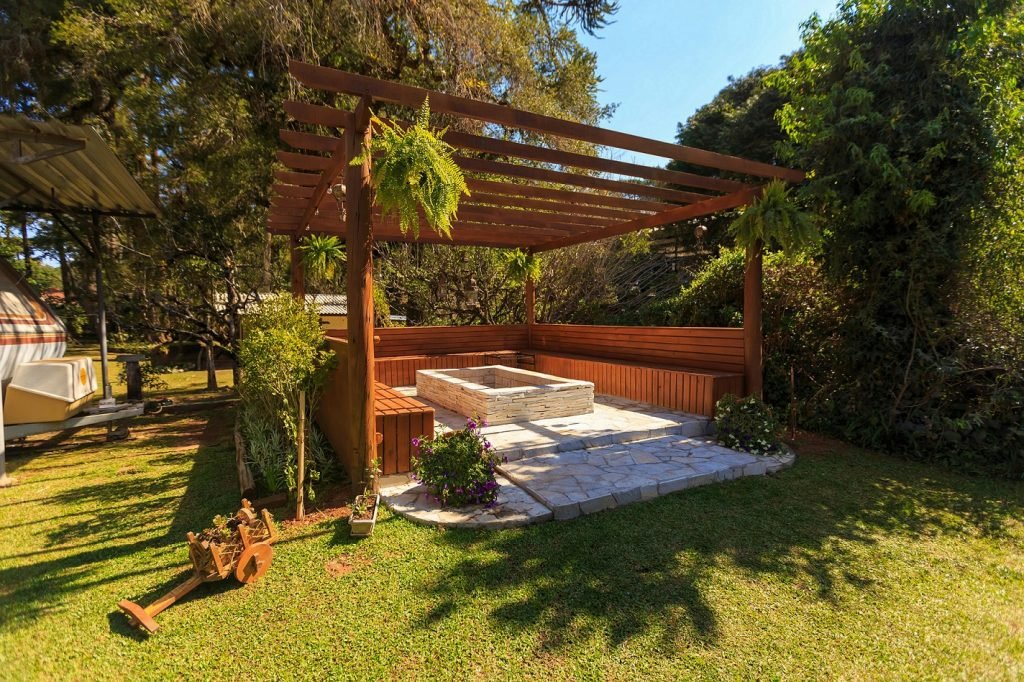
Choosing the right outdoor structure can transform your backyard into a functional and inviting space. Gazebos and pergolas are two popular options, but they serve different purposes and offer unique benefits. Understanding the key differences between a gazebo and a pergola helps homeowners make informed decisions that enhance both aesthetics and usability.
What Is a Gazebo?
A gazebo is a freestanding, roofed structure designed to provide full or partial shade and shelter. Typically octagonal or round, gazebos are often made from wood, metal, or vinyl. They are enclosed or partially enclosed with railings, screens, or lattice panels.
Key Features of a Gazebo
- Full Roof Coverage: Provides complete protection from sun and rain.
- Enclosed or Semi-Enclosed Design: Offers privacy and can keep out insects when screened.
- Freestanding Structure: Can be placed anywhere in the yard, ideal for focal points.
- Versatile Usage: Suitable for outdoor dining, entertaining, or relaxing in shade.
Gazebos are excellent for homeowners looking for a sheltered space that can be used regardless of weather conditions. They provide a sense of enclosure and comfort while enhancing the visual appeal of a garden or backyard.
What Is a Pergola?
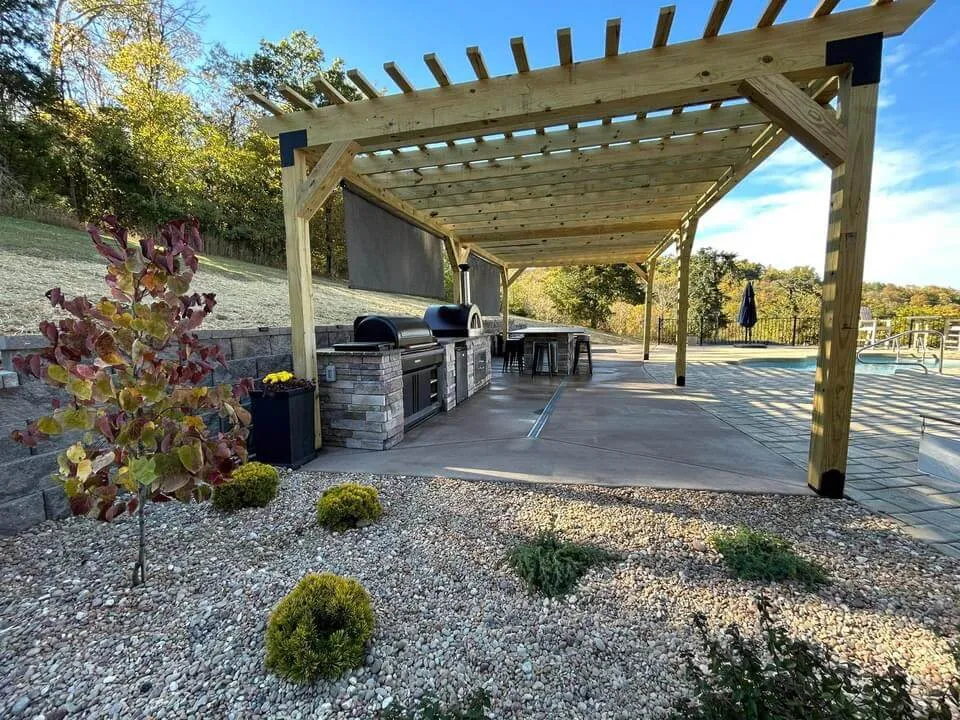
A pergola is an outdoor structure consisting of vertical posts supporting an open, slatted roof. Unlike gazebos, pergolas typically have no walls and provide partial shade rather than full shelter. They are commonly made of wood, vinyl, or aluminum.
Key Features of a Pergola
- Open Roof Design: Provides filtered sunlight rather than complete shade.
- No Walls: Maintains an open and airy feel, allowing airflow.
- Support for Plants: Ideal for climbing vines and hanging plants.
- Flexible Placement: Often used as walkways, over patios, or as a garden accent.
Pergolas are perfect for homeowners who want to create an outdoor living area with a combination of sunlight, shade, and natural beauty. They are less about protection from rain and more about style, ambiance, and landscape integration.
Gazebo vs Pergola: Head-to-Head Comparison
| Feature | Gazebo | Pergola |
| Roof | Solid, full coverage | Open slatted or lattice |
| Walls | Often enclosed or semi-enclosed | Typically none |
| Shade | Full shade | Partial, filtered shade |
| Use Cases | Dining, entertaining, relaxing | Outdoor lounging, garden walkway, plant support |
| Aesthetic | Provides a formal or traditional look | Offers an airy, modern, or rustic style |
| Weather Protection | Yes, protects from rain and sun | Limited, mainly sun protection |
Considerations for Choosing
- Purpose: Determine whether you need full weather protection or partial shade.
- Space Availability: Gazebos generally require more space and may dominate smaller yards. Pergolas can be adapted to narrow spaces or used as accents.
- Style: Consider your home’s architectural style. Gazebos often complement traditional designs, while pergolas blend well with contemporary or natural landscapes.
- Maintenance: Open pergolas may require less maintenance than gazebos since there are fewer enclosed surfaces.
- Customization: Both structures can be customized with lighting, fans, curtains, or climbing plants, but pergolas often provide more flexibility for integrating greenery.
Practical Tips for Installation
- Choose Durable Materials: Wood offers natural beauty but may require regular sealing. Vinyl and aluminum are low-maintenance options.
- Foundation Matters: Both structures need a stable foundation. Gazebos often require concrete pads, while pergolas may be anchored with posts in the ground.
- Plan for Lighting and Accessories: Incorporating string lights, fans, or planters enhances usability and comfort.
- Check Local Regulations: Some municipalities require permits for permanent structures, so verify zoning requirements before installation.
Enhancing Your Outdoor Space
- Combine Both Structures: For larger yards, consider a gazebo as a central shelter and pergolas along pathways or over patios.
- Landscape Integration: Surround pergolas with flowering vines or shrubs to soften the structure and create natural shade.
- Functional Zoning: Use gazebos for formal seating or dining areas and pergolas for casual lounging and garden enjoyment.
Read also: What Is Canopy Cover and Why It Matters for Your Landscape
Transform Your Backyard Into a Relaxing Retreat
Whether you opt for the protective shelter of a gazebo or the airy charm of a pergola, these structures enhance outdoor comfort, functionality, and aesthetic appeal. Understanding their differences and evaluating your space ensures your choice complements your home and garden perfectly.
Transform your backyard into a functional and beautiful space with a custom structure designed by our experienced landscaping team. Start your project today with Garden Pros Landscaping and enjoy a space made for relaxation and gatherings.